Jackbit Payment Methods for UK Readers: deposits, GBP and crypto
 Available in GB
Table of Contents
- The payment model at a glance
- GBP support does not automatically mean direct GBP deposits
- Crypto is the clearest confirmed part of the cashier
- Why UK payment-method lists need extra care
- The Great Britain credit-card ban is regulatory context, not a Jack cashier claim
- Think of the cashier as three separate decisions
- Card-funded crypto adds a conversion layer
- Check withdrawal requirements before making the first deposit
- Account checks can affect payment flow
- Before depositing through the cashier
- Pounds, crypto and the cashier
- Comparing funding routes without mixing their costs
- How Jack's cashier fits a UK player's payment habits
Section element
Jack is now a crypto-first cashier. Documented Jackbit platform information lists GBP among supported playing currencies and supports a broad range of cryptocurrencies, while current Jack.com material describes deposits and withdrawals as crypto-based. Card or bank money can be relevant through a buy-crypto on-ramp, but that is not the same thing as proving a direct GBP card, e-wallet or open-banking deposit for a UK account.
For UK readers, the safest way to interpret the cashier is to separate three layers: the currency used to display or value an account, the asset that actually enters the Jack wallet, and any third-party service used to buy that asset. Exact payment rails can vary by residence, processor and account, so a particular UK debit card, PayPal wallet or open-banking provider should not be assumed available unless it is visible in the live UK cashier.
GBP support does not automatically mean direct GBP deposits
Legacy Jackbit terms list GBP as an accepted playing currency, and recent independent payment reviews also show British pounds among supported account currencies. That is useful for a UK reader because it indicates the platform has recognised GBP in its currency framework. It does not prove that a UK bank card or bank transfer can deposit pounds directly into the casino balance.
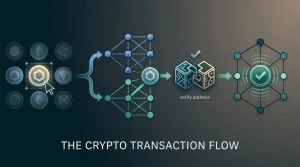
Current Jack.com material describes the wallet as crypto-based and promotes a separate “Buy Crypto” route. In that model, a card or bank method can be used with a third-party on-ramp to purchase cryptocurrency, after which the crypto funds the Jack wallet. The practical distinction is important: a familiar fiat payment method may sit one step outside the casino balance rather than functioning as a direct fiat deposit rail.
The broader Jackbit overview places the cashier alongside the games and account features: complete Jackbit casino review.
Crypto is the clearest confirmed part of the cashier
Jack supports a broad group of cryptocurrencies. Supported assets include Bitcoin, Ethereum, Tether, BNB, Solana, XRP, USD Coin, Dogecoin, Chainlink, TRON, Polygon, Shiba Inu, DAI, Bitcoin Cash, Litecoin, Monero and Dash, with current Jack material describing around 17 coins in the wallet.
For deposits, the important checks are the coin and the network, not just the ticker. Sending an asset over an unsupported network can be a more serious problem than choosing the wrong fiat display currency. The child Jackbit Crypto Payments guide handles coin and network decisions in more detail.
Do not treat an on-ramp as the same thing as a fiat casino balance
If the cashier sends you through a buy-crypto service, check the exchange rate, network, identity requirements and final crypto amount before confirming. Those terms can belong to the on-ramp provider rather than Jack itself.
Why UK payment-method lists need extra care
Debit cards, e-wallets and bank-transfer or open-banking methods are common in the Great Britain online gambling market. That market pattern is useful when comparing cashier convenience, but it is not evidence that Jack offers each method to a UK resident. A method can disappear because of country rules, issuer policy, processor coverage, account checks or changes to the on-ramp.
This is why a generic list copied from an international review can be misleading. A site may list Visa, Mastercard, Apple Pay or an e-wallet at platform level while the UK-facing account sees a different set of options. The only reliable answer for a specific rail is the live cashier for the account and residence in question.
The Great Britain credit-card ban is regulatory context, not a Jack cashier claim
The UK Gambling Commission states that gambling businesses it regulates must not accept credit-card payments for gambling. The restriction covers online casino and betting and also extends to payments made through money-service businesses such as e-wallets when the underlying funds come from a credit card. Operators accepting e-wallets must make sure credit-card-funded gambling cannot be routed through them.
That rule matters when a UK reader compares licensed domestic gambling sites, but it must not be used to invent Jack’s own payment setup or imply UKGC supervision. For Jack’s operator and licensing position, see the Jack licence and operator details guide. The UKGC rule is a useful benchmark for understanding why “card supported” is too vague in Britain: debit and credit are not interchangeable.
Think of the cashier as three separate decisions
| Decision | What to check | Why it matters |
|---|---|---|
| How you fund | Existing crypto wallet or buy-crypto on-ramp | Determines whether a third party is involved before funds reach Jack |
| What arrives | Coin and network shown in the Jack wallet | Controls the actual asset credited to the account |
| How you cash out | Withdrawal coin, network and any verification step | Withdrawals are crypto-focused and require a compatible receiving wallet |
This separation also helps explain why a user can start with pounds but still need a crypto wallet later. The route into the ecosystem and the route out do not have to be identical.
Card-funded crypto adds a conversion layer
When a cashier offers a card-funded crypto purchase, the visible payment method is only the first step. The transaction can include a fiat-to-crypto quote, a third-party service, a selected blockchain network and a final crypto amount that arrives in the casino wallet. Two users both starting with pounds can therefore receive different effective outcomes if the exchange quote, network choice or on-ramp terms differ.
For a UK reader, this is more useful to check than a simple “cards accepted” badge. Before confirming, compare the amount charged in pounds with the amount of crypto expected to arrive, note whether the provider adds its own fee or spread, and verify that the destination asset and network match the Jack wallet. If the on-ramp asks for identity verification, that is a separate process from any casino-side account check.
Check withdrawal requirements before making the first deposit
A payment method is only convenient if the exit route also works for you. Jack’s withdrawal model is crypto-focused, so someone who uses a card or bank-funded buy-crypto service on the way in should still plan for a cryptocurrency wallet on the way out. That can add an exchange or conversion step if the final goal is pounds in a bank account.
Exact payout limits, fees and processing times can change and need current official terms. For current cashout mechanics and the limits of fixed payout-time claims, see Jackbit Withdrawals.
Account checks can affect payment flow
Funding and identity checks should be considered together. A crypto-first registration flow can feel lighter than a conventional bank-led casino account, but that does not mean verification can never be requested. The Jackbit KYC guide explains when identity checks can matter, which evidence categories Jack currently names and why fixed trigger or timing claims are unreliable.
If you plan to use an external buy-crypto provider, remember that the provider can have its own onboarding and identity requirements even when the casino account itself has not yet requested documents. This is another reason to distinguish the on-ramp from Jack’s own wallet.
Before depositing through the cashier
- Confirm whether the cashier shows direct deposits, a buy-crypto route, or both for your account.
- If starting with pounds, check whether GBP is only a display/account currency or is actually accepted by the selected payment route.
- For crypto, match both the coin and network before sending funds.
- If a card or e-wallet is offered, check the provider’s own eligibility and fee terms rather than assuming UK availability from a global method list.
- Plan the withdrawal route before depositing, especially if you ultimately want funds back in GBP.
- Use the Jackbit Registration guide if registration or wallet access is the first blocker rather than the payment method itself.
Pounds, crypto and the cashier
The current Jack withdrawal information describes a cryptocurrency route, not a bank-transfer payout in pounds. A separate coin purchase or later sterling conversion involves another provider and its own terms. Keep the price of acquiring crypto distinct from the balance that eventually reaches the casino account.
Comparing funding routes without mixing their costs
A player who already has a suitable cryptocurrency wallet starts from a different position from someone beginning with pounds. Buying a supported coin adds a separate provider and pricing decision before a casino deposit can begin. Treat any displayed purchase price, network fee and casino balance as successive values rather than as one fixed sterling deposit amount.
How Jack’s cashier fits a UK player’s payment habits
Jack’s clearest payment strength is broad crypto support, while the route from ordinary UK money into the wallet can involve a separate buy-crypto service rather than a direct fiat casino deposit. GBP support is relevant, but it should be read as currency context unless the live cashier actually shows a direct pound-denominated rail for the account. UK card rules also make it important to distinguish debit funding from prohibited credit-card gambling at UKGC-licensed operators. Before depositing, the most useful check is therefore the whole path from pounds or crypto in, through the Jack wallet, to the crypto-focused withdrawal route you would use later.